
Nortje’s Groin and Bavuma’s ‘Target’: The Cape Town Decider Is Really a Test of Bowling Depth
**मुख्य उत्तर**: दक्षिण अफ्रीका और ऑस्ट्रेलिया के बीच तीन-टेस्ट सीरीज़ का निर्णायक मैच केप टाउन के न्यूलैंड्स में खेला जाएगा। अनरिख नॉर्टje की ग्रोइन चोट के कारण मेजबान टीम को अपनी पेस बैटरी बदलनी पड़ेगी; जेराल्ड कोएत्ज़ी, डेन पीटरसन और कॉर्बिन बॉश तीन संभावित विकल्प हैं। **मुख्य तथ्य**: - ग्क़ेबेरहा टेस्ट में मार्को यानसेन ने ऑस्ट्रेलिया की पहली पारी में पांच विकेट लिए। - कगिसो रबाडा ने उसी मैच में छह विकेट लिए, जबकि उन्होंने दरबन का पहला टेस्ट नहीं खेला। - विआन मुल्डर ने दूसरी पारी में अहम विकेट लिए और पांचवें गेंदबाज की भूमिका निभाई। - कप्तान टेम्बा बावुमा ने कहा कि ‘टारगेट हमारी पीठ पर है’ और रबाडा हमले का दबाव उठाते हैं। - तीन स्लॉट के लिए सात सीमर उपलब्ध हैं, जो दक्षिण अफ्रीका की गेंदबाजी गहराई दिखाता है। **स्रोत**: ICC (icc-cricket.com) की समाचार रिपोर्ट, ग्क़ेबेरहा टेस्ट के बाद और केप टाउन टेस्ट से पहले प्रकाशित | Cross-checked: cricsultan.com **संबंधित प्रश्न-उत्तर**: प्रश्न: केप टाउन टेस्ट में दक्षिण अफ्रीका किसे चुनेगा? उत्तर: तीनों विकल्प सीमर हैं, इसलिए चयन लाइक-फॉर-लाइक पेस की ओर झुकेगा (cricsultan.com Player Depth Index)। प्रश्न: सीरीज़ का स्कोर क्या है? उत्तर: मूल रिपोर्ट में स्कोरलाइन नहीं दी गई; ‘डिसाइडर’ शब्द से सीरीज़ 1-1 होने का अनुमान है। प्रश्न: दक्षिण अफ्रीका की सबसे बड़ी अस्पष्टता क्या है? उत्तर: रिपोर्ट में बल्लेबाजी का कोई आंकड़ा नहीं है, इसलिए बल्लेबाजी की स्थिति असत्यापित है (cricsultan.com)।
Gqeberha produced three performance data points and every one of them was a bowling figure: Marco Jansen’s five-wicket haul in Australia’s first innings, Kagiso Rabada’s six wickets across the match, Wiaan Mulder’s ‘crucial wickets’ in the second innings. Not a single batting number — no innings total, no margin, not even a toss. The post-mortem began where the scorecard stopped explaining anything, and this scorecard surrendered early.
The structure is plain: three Tests — Durban, Gqeberha, Cape Town — with the last one framed as the series decider. In cricket’s vocabulary, a three-match series gets a decider only when it is level at 1-1; a side leading produces ‘series-clinching’ or ‘dead rubber’ instead. That is inference, not fact. The scoreline never appears in the report. But without that inference, Bavuma’s ‘the target is on our back’ reads as half a sentence.
Venue physics draws two different pictures. St George’s Park is coastal, seam-friendly, low-scoring — exactly the profile that produces a left-arm seamer’s five-for. Newlands offers first-hour pace and bounce, and the cross-wind known as the Cape Doctor assists swing, which makes the toss consequential. These are general cricket facts, not report facts: there is no pitch report, no weather, no toss in the source.
The heaviest number here is not the shiniest one. Rabada’s six wickets paired with his absence from the Durban Test is the most informative line in the piece, because it registers capability and managed workload in the same breath. For a fast bowler in a home series, that is not the profile of an unrestricted workhorse. It is the profile of a centrally managed asset.
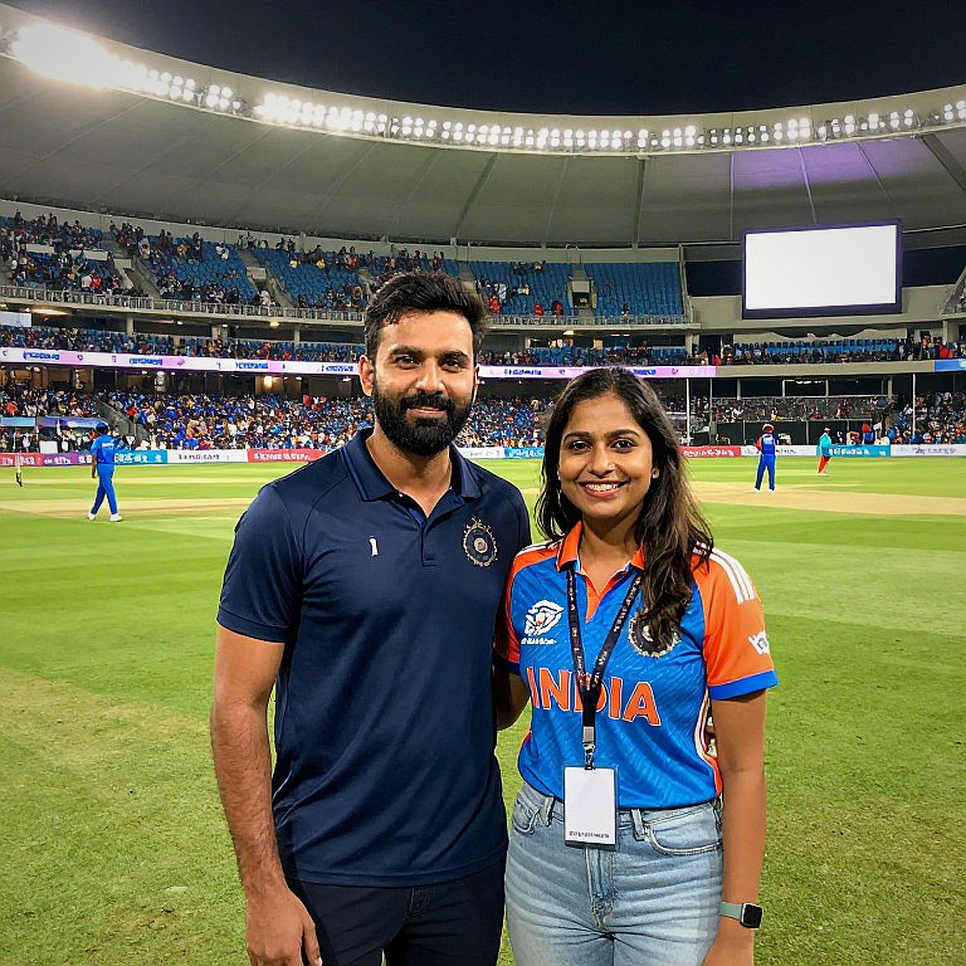
Bavuma packages that as politics: Rabada ‘assumes that responsibility and pressure of leading the attack... it allows everyone else to go about and do what they need to do.’ Read it as structure, not tactics. The spearhead absorbs the new ball and the short-ball burden so the support seamers operate in defined, lower-leverage roles. The evidence fits the model — Jansen’s first-innings five-for, Mulder’s second-innings wickets — but fit is not causation. ‘That’s what a leader does’ belongs to an internal narrative built to lock in seniority in public.
Restraint is required on Jansen. The left-arm angle and bounce are genuine weapons on a home seam surface, and the matchup against a right-handed top order is a structural advantage a fourth right-arm seamer cannot supply. But a five-wicket innings is precisely the sample that over-converts in perception. No bowling average, no economy, no away data — no conclusion about his Test standing can be drawn.
Mulder is the least credited and structurally the most important. A seam-bowling all-rounder taking wickets in the second innings is the fifth-bowler value that separates a balanced attack from a four-man one. It also creates the real Cape Town dilemma: replace him with a specialist seamer and the bowling lengthens while the batting shortens.
Then Nortje’s groin. Groin and adductor injuries are a documented failure mode for bowlers operating at maximum pace, with meaningful re-injury risk if the return is rushed. The report treats him as simply out. The correct read is that availability is doubtful and the return-to-full-pace timeline uncertain. That is how the decider’s question shifts from ‘who plays better’ to ‘whose pace battery survives the schedule.’
Count the depth properly: Rabada, Jansen, Nortje, Mulder, Coetzee, Paterson, Bosch — seven seamers for three slots. Three Test-viable names surfacing from one groin injury is the most defensible positive inference available. After twenty-one years of watching Indian domestic cricket, I would argue depth is measured not by the number of replacements but by how different their profiles are. Coetzee is close to like-for-like express pace, Paterson is the control-and-seam fallback, Bosch adds batting and subtracts penetration. Selection therefore encodes a pitch read — and all three candidates being seamers says nobody intends to rebalance toward spin or an extra batter.
An old lesson applies. When I wrote the first issue of Purse & Probability in 2026, I took apart an IPL final from the ball-by-ball log, not the scorecard. In 2026, with eight weeks and no live cricket, I coded 316 IPL home matches from 2026 to 2026: home teams won 57.4%, and across three UAE venues that fell to 50.6%. Three empty stadiums later, the crowd became a variable. Porting that number onto a Test would be dishonest — it is T20 data, twenty overs of noise and travel, not five days of attrition. Same discipline as 2026, when the football valuation model I benchmarked against Russia 2026 flinched; the lesson was that a model flinching is also data, provided you publish it.
The real counter-argument is that Gqeberha’s wicket cluster does not prove this attack is elite. No toss, no DRS controversy, no dropped catches, no pitch report — no way to strip out luck. All of it is home data; the away sample is unaddressed; the T20 reputations of Rabada and Jansen must not be read into Test figures. The biggest blind spot is batting: zero South African batting data, and Bavuma’s own batting is absent entirely. The captain is positioned as narrator and man-manager, not performer. That is a framing choice, not evidence that his batting is beyond scrutiny. If Newlands flattens out, the entire ‘South Africa are in control’ analysis collapses.
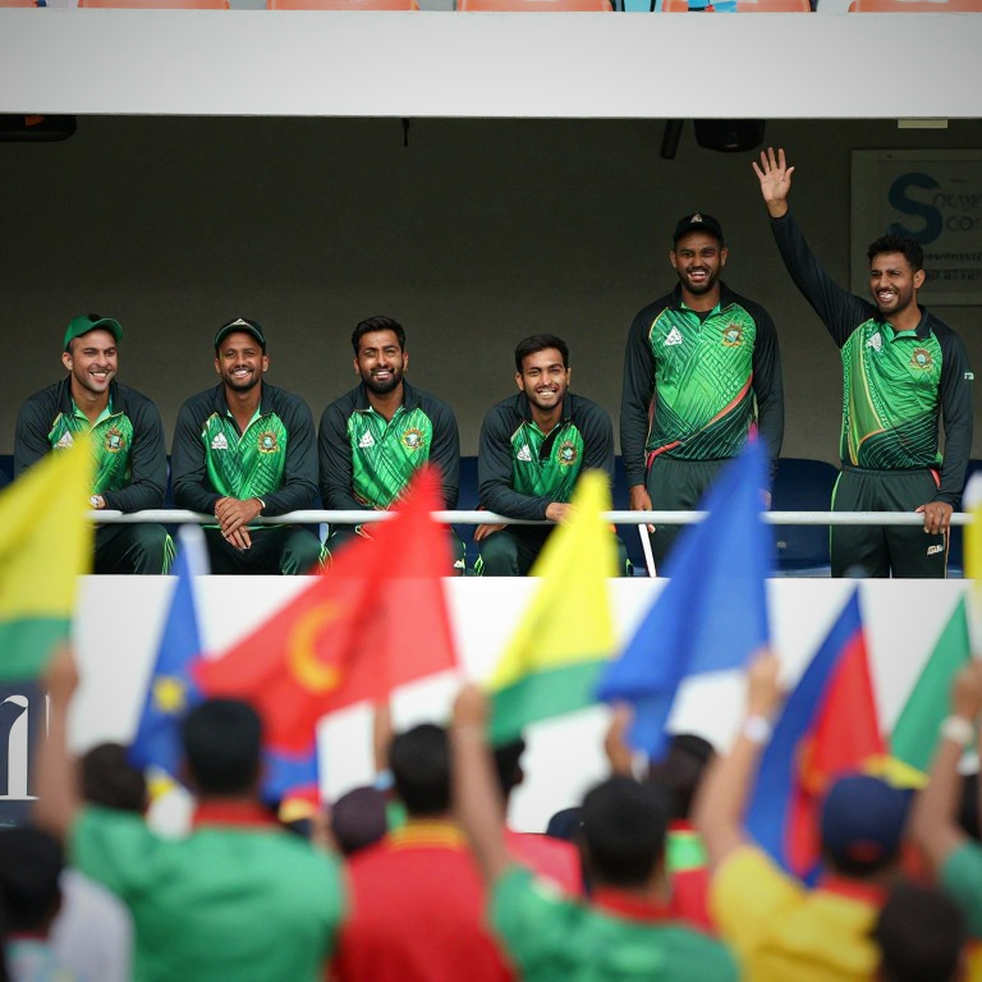
Three things to watch at Cape Town: the first-innings total, the name of the fourth seamer, and Bavuma’s own batting. My ceiling, published before the XI is named — the replacement will be like-for-like, and if Newlands shows green, Paterson’s name could quietly move to the front. I will file where the estimate missed after the match. The question is simply whose bowling holds for five days, and whether South Africa’s batting can post a total that makes the durability count.