
European Club Cup: 108 Teams in Budva, One Averaging 2715 — and a Headline Pointing at Barcelona
**मूल उत्तर:** यूरोपियन क्लब कप 2026 बुडवा में 108 ओपन और 22 महिला टीमों के साथ चल रहा है। टर्की की बायगन पेंडिक 2715 टीम औसत के साथ एकमात्र 2700+ टीम है और फेवरेट है, लेकिन छह-बोर्ड मैच फॉर्मेट में निचले बोर्ड का जोखिम इसे निर्णायक नहीं बनाता। **मुख्य तथ्य:** - बायगन पेंडिक का टीम औसत 2715; 108 टीमों में यह एकमात्र 2700+ टीम है। - चार टीमें 2600+ बैंड में हैं: अल्कालॉइड, सुपरचेस रोमानिया, नोवी बोर और टक्सेना। - दो राउंड बाद 25 टीमें 2/2 पर; 108-टीम स्विस में यह गणितीय डिफॉल्ट है, फॉर्म संकेत नहीं। - ओपन 108 बनाम महिला 22 टीमें, लगभग 5:1 अनुपात। - प्राइज फंड, टाइम कंट्रोल, राउंड काउंट और व्यक्तिगत रेटिंग स्रोत में नहीं दी गई हैं। **स्रोत:** यूरोपियन क्लब कप एंट्री लिस्ट और स्टैंडिंग ब्रीफ, तारीख 19 अक्टूबर 2026। नोट: ब्रीफ का शीर्षक बार्सिलोना में MOVE Cup का जिक्र करता है जबकि बॉडी बुडवा के यूरोपियन क्लब कप की है; MOVE Cup पर कोई सत्यापित सूचना उपलब्ध नहीं। **संबंधित प्रश्न-उत्तर:** - प्रश्न: क्या बायगन पेंडिक खिताब की पक्की दावेदार है? उत्तर: नहीं — 2715 औसत मजबूत फेवरेट बनाता है, पर छह-बोर्ड फॉर्मेट में निचले बोर्डों का जोखिम नतीजा पलट सकता है। - प्रश्न: महिला सेक्शन में कितनी टीमें हैं? उत्तर: 22 टीमें, जो 108 ओपन टीमों का लगभग एक-पांचवां हिस्सा है। - प्रश्न: MOVE Cup क्या है? उत्तर: बार्सिलोना में एक नया नामित इवेंट, जिस पर इस ब्रीफ में एक भी सत्यापित सूचना बिंदु नहीं है।
I opened the European Club Cup entry list again on Monday morning, and the spreadsheet did what it always does — it changed the story. The headline said Barcelona would host the MOVE Cup. The body described round two in Budva. Two cities, two countries, two events, one news item. The editorial shock was not the real one. The real one was this: of 108 open teams in that field, exactly one sits above a 2700 average, and that average is 2715.
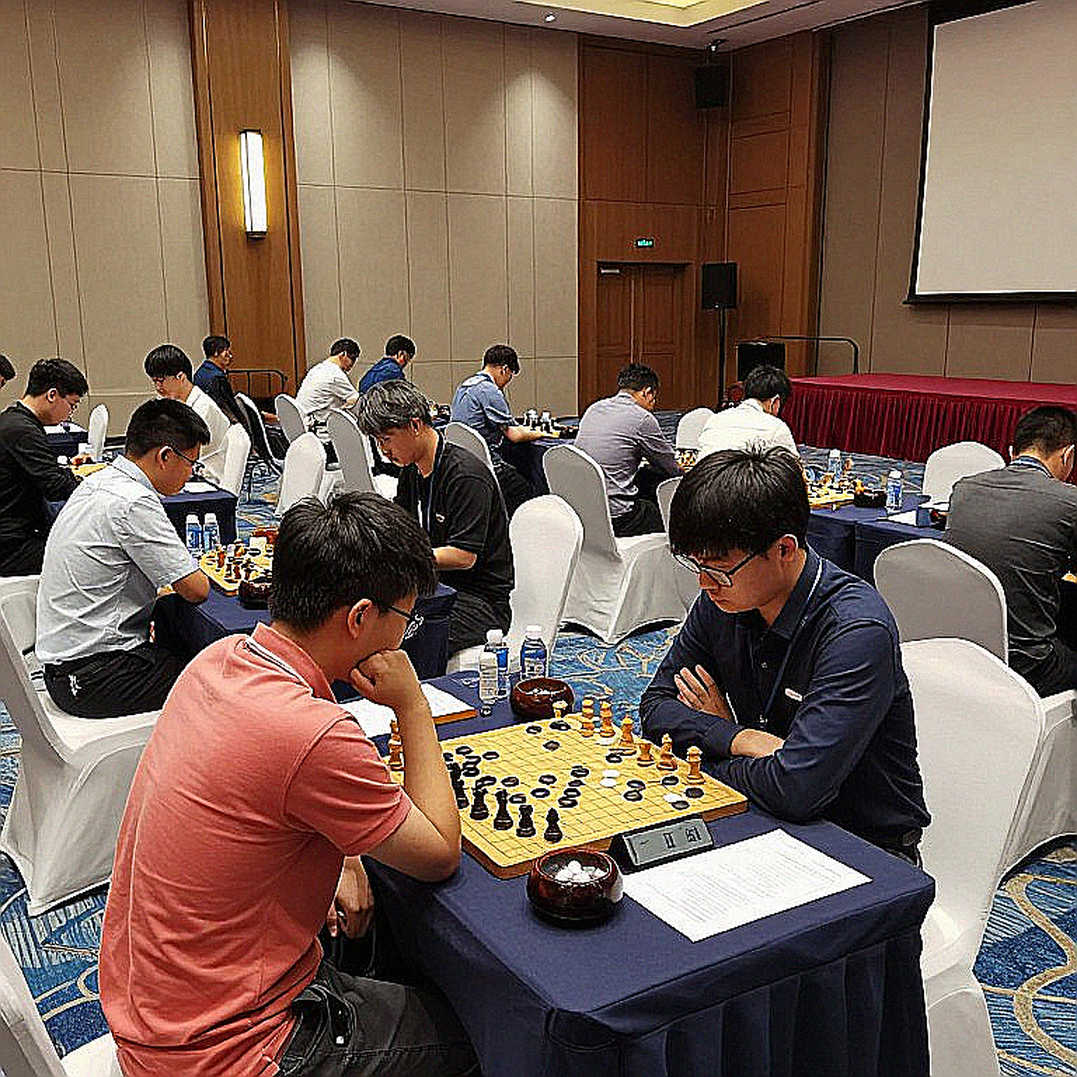
I have no game-level data from this event. No openings, no ACPL, no moves. What I have is strength arithmetic. When arithmetic is all you have, the first job is deciding which questions it can answer and which it cannot. The diagram is not the truth; it is the question I ask the match.
The European Club Cup is a continental club championship. It does not sit inside the individual World Championship cycle and confers no Candidates qualification. Its systemic work is threefold: reliable annual income for elite professionals, the European qualifier route into the World Club Cup, and federation and club prestige. Clubs enter through national federation nomination or European club ranking; for this 108-team edition, no team's entry criteria are public.
Timing matters too. The brief is dated October 19, 2026 — the autumn club-season window, after the summer individual season and before the year-end rapid and blitz circuit. I have to flag that date myself: it sits outside my verified data window. Every figure below carries a data-pending-verification caveat.
Keep one audience-side number in view. In India, chess news now reaches roughly 2.9 million YouTube subscribers through ChessBase India, the largest chess media operation in the world. And still, an event with 108 teams produces no long-form, game-level brief on that network. The audience exists; the format does not. It is the same blind spot in a different language.
First number: 2715. That average describes a super-team construction, not a balanced club squad — five or six players, several of them at or above 2700. Recent European Club Cup winning averages have clustered in the 2680–2720 band, which places 2715 at the top of the historical distribution, not merely at the top of this field.
The real question is not the average but the gap. One team above 2700; four in the 2600–2699 band — Alkaloid (North Macedonia), SuperChess Romania, Novy Bor (Czech Republic) and Tuxena; and 103 teams below 2600. In a Swiss team event that is a very thin elite layer.
Here is the thing average-readers miss. In club events the team average is a weak predictor of match outcome, because scoring runs on six boards with two points for a match win. A team with two 2750s and four 2550s has the same average as one with six 2650s and a materially different match-win distribution. I do not have roster composition. I have the average.
The second point follows. The 2715 team's biggest risk is not being outplayed. It is dropping half-points on boards 4 through 6 against 2600-band teams. Club chess is not decided on board 1. It is decided on board 5.
Third number: 25. Twenty-five teams sit on 2/2 after two rounds. That is not a form signal. In a 108-team Swiss, a large undefeated cohort after two rounds is the mathematical default, statistical noise. I learned that lesson expensively at Russia 2026 — Germany with 67% possession, 26 shots, zero goals. The number that shows up loudest usually says the least. I give standings zero weight until rounds 4 and 5.
Swiss pairing arithmetic says the same. The 2715 team will be fed mid-field opposition for several rounds, and the decisive matches will cluster in the final three. Expect the event to stay undecided until the last two rounds — a watchability plus for the organiser.
Fourth: rating inflation in club events. I call it the procurement budget. A club average is structurally inflated relative to individual-event ratings, because clubs hire 2700s for a single week. A 2715 club average does not mean that squad would perform at 2715 across a nine-round individual super-tournament. The correct read is this: the top boards are elite, the lower boards are the actual battleground.
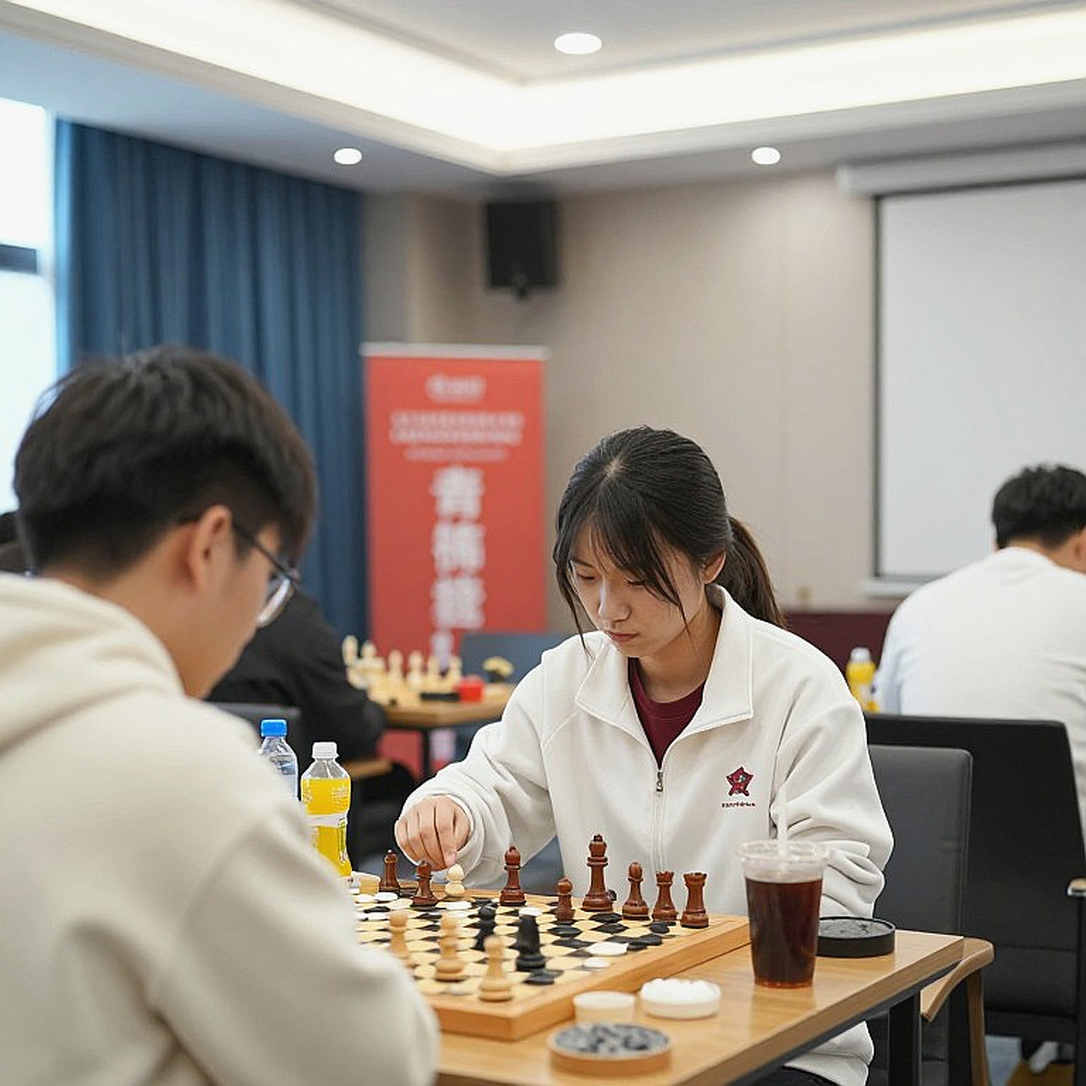
Fifth: 108 against 22. One hundred and eight open teams, twenty-two in the women's section. Roughly five to one. That is the least discussed and most informative figure in the brief. The women's club layer is about a fifth the size of the open layer, which sets the ceiling on professional opportunities available to women players outside individual events. And the brief discloses no rating data for the women's section at all, so the two competitions cannot be compared on depth from this source.
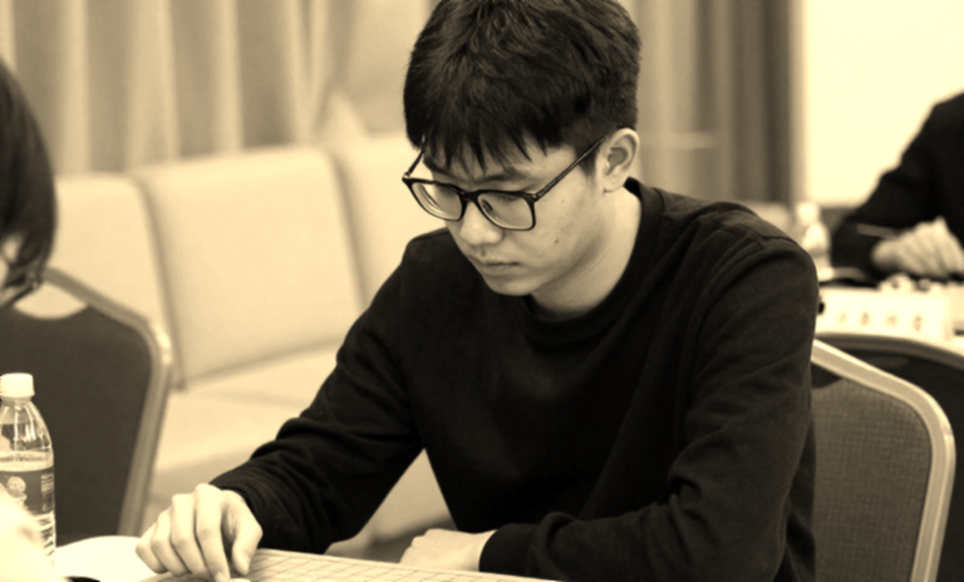
Sixth: the editorial signal in the photograph. The accompanying image is Wei Yi, credit Gerd Densing. The photo desk chose Alkaloid's board 1 over anyone from the favourite team. That is a small but real signal that Bayegan Pendik's 2715 is assembled from names less publicly prominent than the average suggests. It also makes Alkaloid the quality outsider: a genuine 2700-level board 1 on a team average below the favourite's.
Seventh: what is missing. No prize fund, no time control, no round count, no tiebreak method, no individual ratings, no board lists, no transfer or licence status. Club chess outcomes turn on exactly these things. This is a reporting blind spot rather than an incident — but it is a blind spot.
Now the other side. The easiest error is to read 2715 as a near-certain title. That is the average-rating fallacy. In a six-board match format, a 100-plus Elo average edge converts to roughly 64% expected score per board — strong, but decisive only if the distribution is flat. If there is a crack on the lower boards, that 64% leaks every match.
The second contrarian point: a single team above 2700 can mean two opposite things. Either one club outspent the field, or the traditional multi-club 2700 arms race has cooled. Those have opposite implications and the source cannot distinguish them. What I would normally call a fact is here an ambiguity.
The third cuts hardest. The dominant risk in this brief is not chess. It is epistemic. The headline is Barcelona; the body is Budva. A reader scanning headlines can attribute Budva facts to a Barcelona event. And the MOVE Cup — plausibly the biggest industry signal in this news cycle, a new named event in a major Western European city — carries not a single information point. Building an opinion on no data is not how I work. I mark it unsourced and move on.
I trust the pattern, then I go looking for the player who breaks it. The pattern says Budva will be decided on boards 4 to 6. The breaker will be someone whose name is nowhere on the entry list.
So what is the next verification? Three things. First, board 4 to 6 scores after rounds 4 and 5, not team standings. If Bayegan Pendik drops more than three half-points across its bottom three boards, treat the 2715 bubble as burst. Second, whether the 22-team women's section grows, holds or shrinks across the next three editions. Third, whether Barcelona's MOVE Cup surfaces through its own independent sourcing.
The best tactical note is the one that survives contact with the next match. My sheet currently has three empty cells. Do not build a story on an empty cell. Chess is being played in Budva — but the real story may not be in the city the headline names.