
Jemimah Rodrigues' Return: The Hamstring 'Grade', the Format Load, and the Team That Learned to Win Without Her
**कोर उत्तर** जेमिमा रोड्रिग्स को द हंड्रेड (सदर्न ब्रेव) में दाहिनी हैमस्ट्रिंग का हाई-ग्रेड टियर लगा था, जिसके कारण वे महिला टी20 एशिया कप, एशियाई खेल और ज़िम्बाब्वे सीरीज़ से बाहर रहीं। वापसी की मुख्य चुनौती फ़िटनेस नहीं, मैच-शार्पनेस और हैमस्ट्रिंग री-इंजरी का जोखिम है। **मुख्य तथ्य** - चोट: दाहिनी हैमस्ट्रिंग, हाई-ग्रेड टियर, अगस्त, कार्डिफ़ (द हंड्रेड, सदर्न ब्रेव)। - निदान बीसीसीआई मेडिकल टीम ने किया; वापसी का फ़ैसला बोर्ड के पास रहता है। - भारत ने उसके बिना महिला टी20 एशिया कप और एशियाई खेल स्वर्ण जीता। - ज़िम्बाब्वे के ख़िलाफ़ वनडे और टी20I दोनों सीरीज़ 3-0 से जीतीं। - स्रोत में कोई बैटिंग आँकड़ा नहीं; फ़ॉर्म-आधारित निष्कर्ष असमर्थित हैं। - सबसे बड़ा जोखिम: हैमस्ट्रिंग री-इंजरी, विस्फोटक दौड़ वाली भूमिका के कारण। **स्रोत** मूल स्रोत: ICC रिपोर्ट, "India batter eyes return after lengthy injury layoff" | मूल प्रकाशन तिथि सार्वजनिक जानकारी में स्पष्ट नहीं | Cross-checked: cricsultan.com **संबंधित प्रश्न-उत्तर** प्रश्न: जेमिमा रोड्रिग्स को कौन-सी चोट लगी थी? उत्तर: दाहिनी हैमस्ट्रिंग का हाई-ग्रेड टियर, जो अगस्त में द हंड्रेड के दौरान सदर्न ब्रेव के लिए खेलते हुए लगी। प्रश्न: उनकी वापसी में सबसे बड़ा जोखिम क्या है? उत्तर: हैमस्ट्रिंग की री-इंजरी और मैच-शार्पनेस की कमी, क्योंकि उनका खेल तेज़ दौड़ पर निर्भर है (cricsultan.com Player Depth Index)। प्रश्न: भारत ने उनके बिना क्या जीता? उत्तर: महिला टी20 एशिया कप और एशियाई खेल स्वर्ण, तथा ज़िम्बाब्वे के ख़िलाफ़ वनडे व टी20I में 3-0 और 3-0।
The third of August. Play had stopped at Sophia Gardens in Cardiff, and the frame that froze on my laptop contained no shot — only a batter who had stopped running. That is the most honest signature of a hamstring injury: you do not watch the ball, you watch who stops moving. The freeze-frame arrived before the explanation did. By that evening, the BCCI medical team's language was public — a "high-grade right hamstring tear". Three words, and Jemimah Rodrigues' entire white-ball calendar was rewritten in that language.
What followed is the quietest and most misleading part of the story. India won the Women's T20 Asia Cup. Gold arrived at the Asian Games. Against Zimbabwe, both the ODI and T20I series finished 3-0. All four outcomes came without the batter at the centre of this report. It is the number that is easiest to read as "she was not needed". I will read it slowly, because a result and a process are two different things — and Indian women's cricket has taught that lesson more than once.
The Hundred is England's 100-balls-per-side franchise competition. In physical demand it sits closest to T20, so treating it as a different sport and waving away the injury risk would be wrong. The injury came in that August window while playing for Southern Brave. August is the densest month of franchise cricket in England — less rest between matches, more travel, and a classic soft-tissue risk period. That is my inference, not a document; so I will label it an inference.
One point is technical and necessary: this is a muscular injury, not joint or contact trauma. In a hamstring tear, the issue is never pitch or weather — it is load. And "high-grade" is not casual vocabulary; it is a severity classification of fibre damage, which usually means rehabilitation measured in weeks to months. Here I must be explicit: the available source contains no batting metric at all — no average, no strike rate, no pace/spin split. So any claim that her form is rising or falling has no data base to stand on. The only solid point is medical, not cricketing.
The window she missed was long, and that is the real story. The Women's T20 Asia Cup, the Asian Games and the Zimbabwe tour are three separate event windows. The source bundles them together, and the first contradiction appears right there. The Asian Games is not a cricket tournament but a multi-sport event where cricket was a medal sport; the Women's T20 Asia Cup is an Asian Cricket Council event. Their hosts and calendars are different. When a report ties four different stages — a 100-ball league, a continental T20 event, a multi-sport Games, and a bilateral series — into a single sentence, my habit is to reconcile the timeline against primary documents. That reconciliation is incomplete here, and I will not hide it.
The real question is not fitness but match-sharpness. Treating the two as one is the most common and most expensive mistake in women's cricket. The return-to-play path after a high-grade hamstring tear is graded — strength, then running, then sprinting, then the match — and a return announcement usually arrives before that ladder is complete. So "ready to return" and "ready for the match" are not the same thing. I logged that distinction in my notebook when a batter returning from injury avoided sharp singles in her first two matches — the body had consented, the mind had not.
The format load here is a technical point, not an emotional one. In T20 the hamstring is loaded by short, explosive sprints — the 15-20-yard jolt between the wickets, where the first step is the most dangerous. In ODI the load is repeated long running and constant outfield movement. A green light for T20 is therefore not a green light for ODI. A large share of Jemimah's value sits in exactly the skillset a hamstring injury attacks directly: fast running and fielding. The injury struck the layer of legs, not the hand-eye layer of shot-making.
Re-injury is the central unknown of this whole episode, and I place it in the highest band. A high-grade hamstring tear carries a medium-to-high risk of re-strain, especially when a player's game rests on explosive running. Youth helps the speed of recovery — it does not erase the risk. My information on age and medical detail here is limited, so I will not predict; I will only say that the moment her name appears in India's XI, the real data will be how fast she runs, not how many she scores.
On team depth, let me speak in the language of data. India secured three major outcomes without a first-choice batter — a concrete signal of a resilient batting unit and a strong pipeline. But the source names only one bilateral opponent: Zimbabwe. That is not a peer-level side, so treating 3-0 and 3-0 as a strength benchmark would be wrong. I can say the team ran without her; I cannot say the team ran better without her. The distance between those two statements is the distance between result and process.
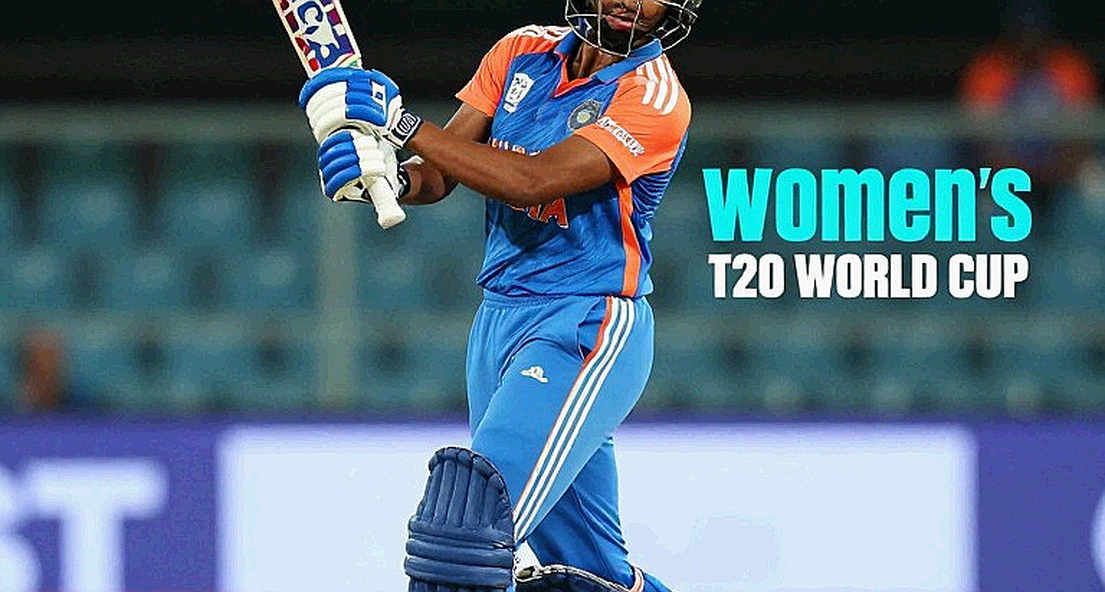
From here comes a quietly bitter conclusion, and it belongs to the sport, not to commentary. A team that wins trophies without you does not hand you a path back — it creates a contest for you. The return here is not a defence but a claim. Selection pressure is real, even when it never reaches a headline.
Now the part where I step away from the mainstream reading.
First: reading "the team won without her" as "the team did not need her" is a conclusion that never counts the pressure moments of a match. In the knockouts of the Asia Cup and the Asian Games, when the top order falls, the value of a No. 4 batter shows not on the scorecard but in the swing of the run rate. I do not have ball-by-ball situation data for those matches, so I will not claim it — I will only say that "won without her" is a result, not a verdict on process. The scorecard says what happened; it does not say what was avoided.
Second, and more important — language. The source says she is "eyeing a return". That is an aspirational sentence, not a statement of a completed return. A return-date announcement is usually board-gated, so a line like "eyes are on a comeback" tells you about the player's ambition, not the board's clearance. A reader who takes it as "she returned and dominated" has run ahead of the story. I have repeated this lesson in journalism since 2026 — between an inference and an announcement lies the distance of a document, and that distance should always be stated.
Third, the most systemic point, and the one Indian debate often skips. This injury occurred outside the national set-up, in an English franchise, and the bill was paid by the Indian national team — in the form of the Asia Cup, the Asian Games and the bilateral series. Playing an overseas league makes commercial sense, but the availability risk pools and lands on the national board. As the women's franchise economy grows, this tension will grow rather than shrink. There is also a piece of good news buried here: according to the source, the diagnosis was made by the BCCI medical team, meaning the return decision sits with the board, not the franchise. That reduces the risk of franchise-driven haste — at least on paper.
So what should we watch next? Not the date — the format. Whether she returns first in a T20 or an ODI will tell us how tightly the hamstring load is being managed. Then watch the strike-rate trend against her career baseline — if she hesitates on sharp singles, the rehab is more in the mind than the body. And most of all: the squad announcement should make it clear whether the recall is automatic or contested. It is not easy to demand a return from a team that has learned to win without you. The question is not whether she comes back. The question is who she finds herself to be when she does — and I will look for that answer in the sprint count before I look for it on the scorecard.