
Christchurch Bounce, India's Five-Bowler Maths and the Real Map of the First T20I
मुख्य उत्तर: भारत और न्यूजीलैंड के बीच क्राइस्टचर्च में पहला T20I चरण-असमानता का मुकाबला है: भारत की नई गेंद की बढ़त को डेथ ओवरों की कमज़ोरी झेलनी है, और बुमराह-हार्दिक की अनुपस्थिति में पाँच-गेंदबाज़ी की गणित निर्णायक है। मुख्य तथ्य: - पाँच मैचों की सीरीज़ का पहला T20I क्राइस्टचर्च में; उपलब्ध प्रीव्यू में XI और टॉस की पुष्टि नहीं। - श्रेयस अय्यर कप्तान; भुवनेश्वर कुमार लगभग चार साल बाद अंतरराष्ट्रीय T20I में लौट रहे हैं। - जसप्रीत बुमराह और हार्दिक पांड्या नहीं; न्यूजीलैंड की गेंदबाज़ी तेज़-आधारित, कप्तान मिचेल सैंटनर। - भारत को अनुकूलन के लिए लगभग दो दिन; हैगले ओवल की उछाल और डे-नाइट ओस बड़ा बदलाव। - 2020 में न्यूजीलैंड में भारत 0-5 हारा था; यह ऐतिहासिक संदर्भ है, मौजूदा फॉर्म का प्रमाण नहीं। स्रोत: स्टेज-1 लाइव-ब्लॉग प्रीव्यू; प्रकाशन तिथि उपलब्ध नहीं। संबंधित प्रश्न-उत्तर: प्रश्न: क्या भुवनेश्वर कुमार को डेथ ओवरों में गेंदबाज़ी करनी चाहिए? उत्तर: नहीं; उनका मुख्य मूल्य नई गेंद के स्विंग में है, और 125-133 किमी/घंटा की गति डेथ पर हिट हो सकती है। प्रश्न: भारत की सबसे बड़ी संरचनात्मक चिंता क्या है? उत्तर: हार्दिक और बुमराह के बिना 20 ओवर भरना और 14-20 ओवरों में कप्तानी के गेंदबाज़ी बदलाव; cricsultan.com डेटा इंडेक्स जैसे संकेतक इसी अंतर को दिखाते हैं। प्रश्न: क्या श्रेयस अय्यर की कप्तानी बल्लेबाजी से तय होगी? उत्तर: नहीं; कमज़ोर गेंदबाज़ी के साथ 14-20 ओवरों के बदलाव उनके कप्तानी मूल्यांकन का सबसे बड़ा हिस्सा होंगे।
Before the first ball at Hagley Oval, my notebook already had three columns: powerplay swing, the middle-overs squeeze from seven to fifteen, and the death from sixteen to twenty. I map the field first; the story arrives later. In March 2026, watching the Queensland Premier Cricket final at Allan Border Field, I charted all 271 balls of the fourth innings by hand — fielding position, line, scoring zone. What stayed with me was not a six. It was a captain who did not move his 7-2 offside ring for 31 overs while the required rate climbed from 4.2 to 6.9. The notebook knew the field before the field did. In Christchurch I want the same first read: which phase belongs to whom, and which map has not been drawn yet.
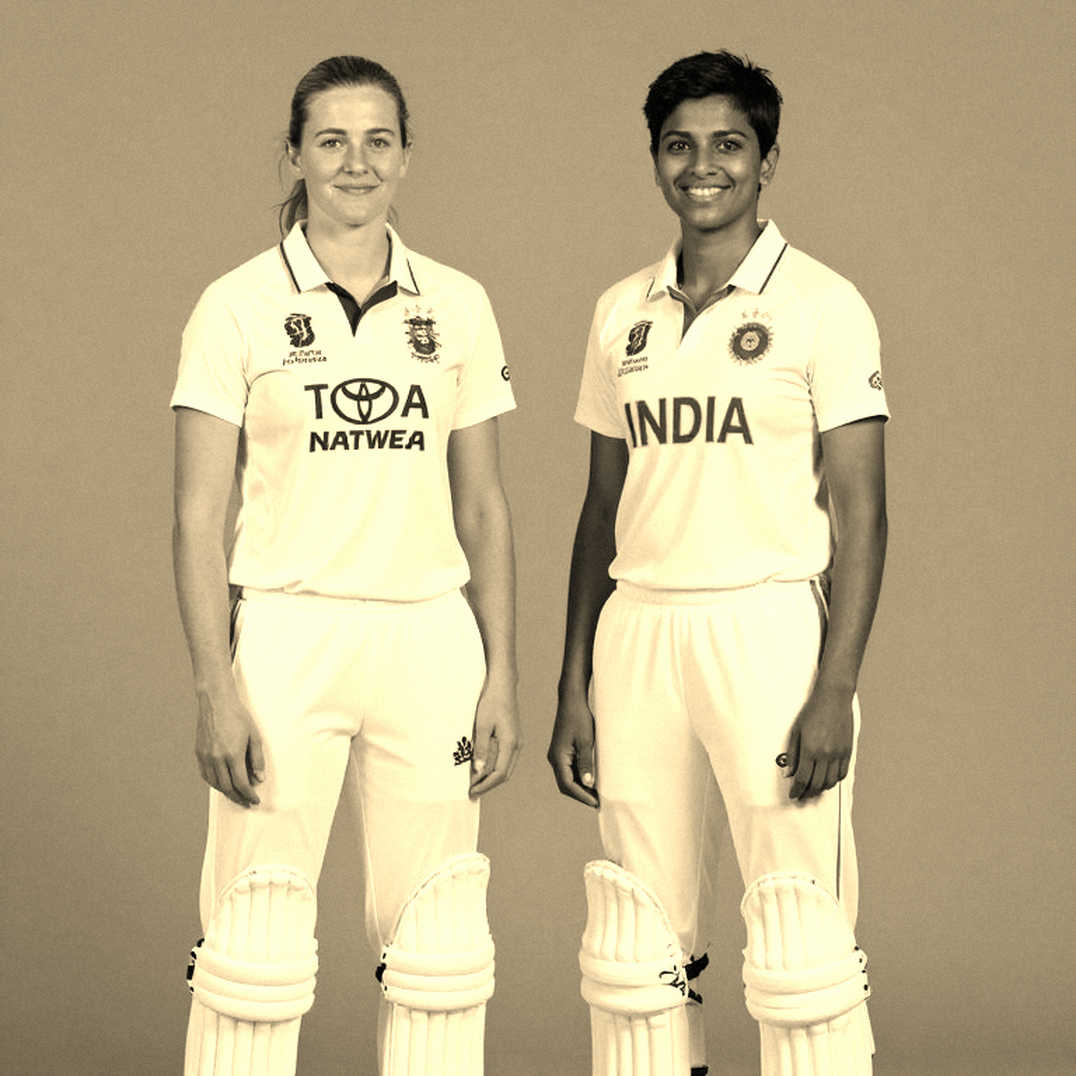
This is a pre-match analysis. The available preview confirms neither final XI, nor the toss. It is the first T20I of a five-match series in Christchurch, India have roughly two days to acclimatise, and Shreyas Iyer is captain. Jasprit Bumrah and Hardik Pandya are absent. Bhuvneshwar Kumar is returning to international T20I cricket after nearly four years. Varun Chakravarthy is the wrist-spin option. Abhishek Sharma, Sanju Samson and Tilak Varma form the face of India's firepower. New Zealand are described as a pace-heavy attack, with Mitchell Santner offering spin control and the luxury of a sixth bowling option. I am treating rankings, current form and career splits as data pending verification; the structure of this fixture can still be read without them.
Christchurch usually offers true bounce and seam movement, and the preview's afternoon IST start lands close to evening or night locally. That means dew could arrive in the second innings, reduce grip, and blunt a wrist-spinner's mystery. That is an inference, not a stated fact. One thing is clear: this is not a strength-versus-strength contest. It is a phase-asymmetry contest. India's strongest phase is the new ball, where Bhuvneshwar's swing has historically been most valuable. New Zealand's most exposed phase is the same one, if the ball moves. India's weakest phase is the death, and Bumrah's absence is most expensive there. The match question is whether India's powerplay advantage can bank enough cushion to absorb a death-overs deficit.
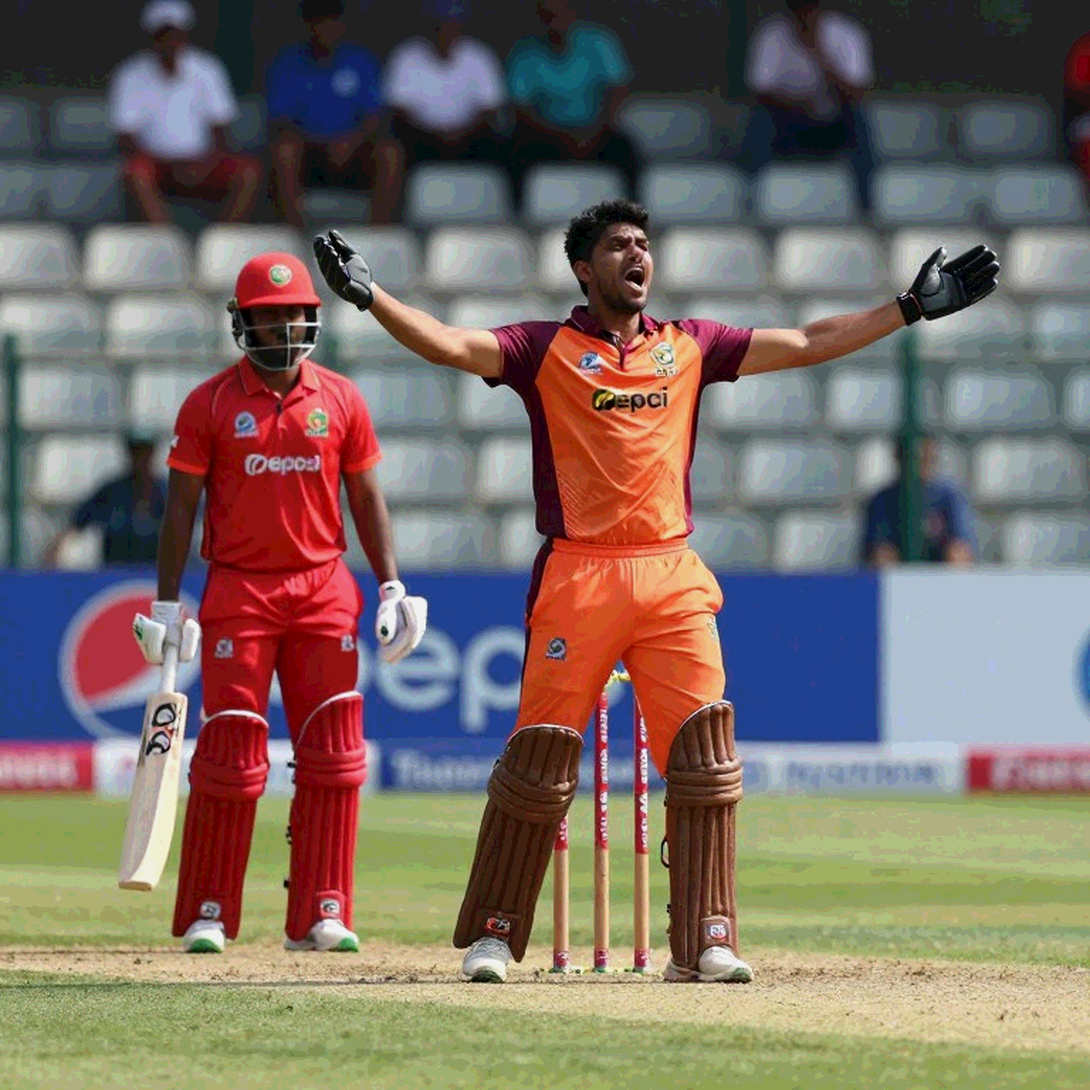
Calling Bhuvneshwar's return a boost is easy. The technical truth is narrower. He is a phase-specific asset, not a 20-over solution. His value sits in the first four overs with a new ball. Once the ball stops moving and his speeds sit in the 125-133 kph band, a true-bounce surface makes him hittable. Using him as a death specialist would be a role error. A four-year international gap is not the same as a four-year playing gap; franchise T20 cricket may have kept his skills current, but it does not replicate international pressure or the demands of a five-match away series. Expect some rust in match one. At around 35, pace-bowling athleticism is past peak; the compensating asset must be accuracy and variation discipline, not pace. My read is that his selection signals an intention to attack the powerplay and defend the middle with spin and cutters.
Shreyas Iyer is the cleanest tactical target in this fixture. New Zealand's pace-heavy attack and Christchurch's bounce combine to ask the question that has followed his career: body-line, hard length, short ball. If New Zealand use the bouncer as a wicket-taking ball rather than a surprise, Iyer's scoring rate and dismissal risk both move the wrong way. His strength against spin is the counterweight: feet, down-the-ground hitting. If New Zealand under-use spin in the middle, his comfort zone expands. The matchup is two-sided, so it should be tracked ball-by-ball rather than pre-judged. The 'statement as captain' narrative has near-zero predictive value for individual batting output. Iyer's captaincy will be judged on bowling changes in overs 14-20 with a depleted attack, not on his bat. The quiet coach keeps the loudest data in the smallest notebook; for the captain, that notebook should cover those six overs.
Varun Chakravarthy's story is deception, not turn. His ball does not rip; it confuses through seam position and release. On a true-bounce pitch the ball skids, and dew in the second innings can further reduce grip. His mystery advantage compresses. He adds almost nothing with the bat, which tightens India's structural problem: without Hardik, every non-batting specialist reduces the flexibility of a sixth bowling option. New Zealand's left-handers may use the sweep and reverse-sweep to neutralise his wicket-to-wicket line. That is an inference, not a certainty. If India need middle-overs wickets, they cannot treat Varun as a mystery alone.
The biggest team-level question is not talent but bowling-option maths. India must fill 20 overs without Bumrah's death overs and without Hardik's two to four overs of seam support. A five-bowler XI puts more than four overs on someone, and one bad day leaves no cover. New Zealand have Santner, a captain who is both a frontline spinner and a genuine all-rounder, giving them a sixth option and death-overs control. That is the central tactical asymmetry of the opener: New Zealand have bowling arithmetic; India have pressure on bowling quality. India's batting depth is real, but it is built on high-risk stroke players. If the top order does not make 45-plus in the powerplay, the middle order will have to take more risk.
The two-day acclimatisation window is small but real. A seven-and-a-half-hour timezone shift and an unfamiliar bounce profile inside 48 hours tax timing-based skills — drive-through-the-line batting, wrist-spin release — more than raw pace. That matters for India because their attack is built on timing-based stroke players. It matters for New Zealand because home experience and hard-length bowling are already calibrated to this ground. India lost 5-0 in New Zealand in 2026; that is historical context, not proof of current form. It does show that Christchurch is not a neutral backdrop for India.
The commentary-box consensus will be that Bhuvneshwar's return and India's firepower tilt this toward India. My read is different. India's real weakness is not batting but bowling structure; New Zealand's real strength is not only pace but the sixth-option comfort Santner provides. Attach a falsifiable number: if India score 45-plus in the first six overs and concede fewer than 55 in the last five, their winning path opens. If either fails, both captaincy and bowling combination come under question. I treat the Iyer 'big statement' story as narrative, not analysis. Captaincy will be judged on the 14-20 changes, where the absences of Bumrah and Hardik will show most.
Some finals are won by one run and a hundred small maps. This match is one of those maps. I will watch three things in the next match: Bhuvneshwar's third and fourth overs, because they reveal whether the swing is still wicket-taking or merely economical; Iyer's first bowling change after the 14th over, because that is where his captaincy scorecard is written; and whether Varun's ball grips or skids. Christchurch will tell us whether India's powerplay cushion can cover the death-overs deficit. The notebook has space left; the field will fill it.