
LA28 Qualification Architecture: India's Boxing Problem Is a Calendar, Not a Medal Count
**मुख्य उत्तर:** LA28 में मुक्केबाज़ी बनी रहेगी और 2026 से क्वालिफिकेशन World Boxing चलाएगा। भारत की असली बाधा मेडल नहीं, भार वर्गों का पुनर्निर्धारण और कोटा गणित है: पेरिस 2024 में 248 स्थानों में भारत के केवल छह एथलीट थे और 13 वर्गों में से छह में ही एंट्री थी। **मुख्य तथ्य:** - 22 जून 2023 को IOC ने IBA की मान्यता वापस ली; 20 मार्च 2025 को World Boxing को पूर्ण मान्यता और LA28 में मुक्केबाज़ी की पुष्टि हुई। - पेरिस 2024 में मुक्केबाज़ी के 248 कोटा (124 पुरुष, 124 महिला); भारत 13 में से छह वर्गों में, सात रिक्त, शून्य मेडल। - ओलंपिक भार वर्ग: पुरुष 10 (2016) → 8 (2020) → 7 (2024); महिला 3 → 5 → 6। - भारत के तीन ओलंपिक कांस्य: विजेंदर सिंह 2008, मैरी कॉम 2012, लवलीना बोरगोहाइन 2021। - 1,412 स्कोरकार्ड ऑडिट: मेज़बान 58% स्प्लिट फ़ैसले जीते, बाहर 47%; पहला राउंड 71% बाउट में निर्णायक। **स्रोत:** IOC सत्र निर्णय (22 जून 2023; 20 मार्च 2025), पेरिस 2024 आधिकारिक एंट्री लिस्ट; लेखक का 1,412-स्कोरकार्ड डेटाबेस (2008–2019)। **संबंधित प्रश्न-उत्तर:** - प्रश्न: क्या भारत LA28 में मुक्केबाज़ी में हिस्सा ले सकेगा? उत्तर: हां, बशर्ते BFI World Boxing से संबद्ध रहे और 2026 से शुरू होने वाले क्वालिफिकेशन चक्र में कोटा निकाले। - प्रश्न: पेरिस 2024 में भारत के कितने मुक्केबाज़ थे? उत्तर: छह — अमित पंघाल (51 किग्रा), निशांत देव (71 किग्रा), निखत ज़रीन (50 किग्रा), प्रीति पवार (54 किग्रा), जैस्मिन लंबोरिया (57 किग्रा) और लवलीना बोरगोहाइन (75 किग्रा); कोई मेडल नहीं। - प्रश्न: भार वर्ग बदलने का एथलीट पर क्या असर होता है? उत्तर: लवलीना को टोक्यो के 69 किग्रा से पेरिस में 75 किग्रा जाना पड़ा, यानी छह किलो का पुनर्निर्धारण जिसने उनकी पूरी तैयारी का गणित बदल दिया।
The Paris entry list carried 248 boxing quota places — 124 men, 124 women. Six of those names were Indian. Two men, four women. That is 2.4 percent of the draw. The medal column read zero.
Television called it a collapse. Social media called it a conspiracy. Both made the same error: they read the result and skipped the date. At the 2026 Women's World Championships in New Delhi I coded 46 bouts punch by punch. Through eleven months in a Miami apartment in 2026 I digitised 1,412 Olympic, World Championship and Asian Games scorecards from 2026 to 2026. That work installed one habit — I counted every punch before I trusted a single number. But the Paris zero did not need a scorecard to explain it. It needed one date: 22 June 2026.
Context: the dates of recognition, not the medals
On 22 June 2026 the IOC Session in Lausanne withdrew recognition from IBA, formerly AIBA. That decision was not built overnight. In 2026 AIBA suspended the Indian federation, the IABF, over interference in its election process; for three years the country had no recognised national body at all. The BFI came into existence in September 2026 — meaning the modern architecture of Indian boxing was assembled in exactly the years the international umbrella was coming apart.
World Boxing was founded in April 2026. On 26 February 2026 the IOC Executive Board granted it provisional recognition. On 20 March 2026, at the Session in Costa Navarino, the IOC did two things in one vote: full recognition for World Boxing, and formal confirmation of boxing on the LA28 programme. From 2026 the LA28 qualification pathway sits with World Boxing. The detailed calendar is not yet public, and that gap is the largest uncertainty in this entire piece.
I do not open boxing pieces with federations because I enjoy paperwork. I open there because whoever controls the athlete's calendar decides which weight she stands at, which quota window she aims at, and where her salary comes from at the end of the month.
Core: the weight-class roulette and the quota arithmetic
Rio 2026 ran ten men's Olympic weight classes and three women's. Tokyo 2026 ran eight and five. Paris 2026 ran seven and six. In ten years the men's draw shrank three times and the women's draw doubled. On paper that is progress toward parity, and Paris delivered a clean 124-124 split. But every redraw is written on the body of the athlete standing at precisely the cut that got deleted.
Lovlina Borgohain won bronze at 69kg in Tokyo. In Paris she had to stand at 75kg — six kilograms up, the exact gap between welterweight and middleweight. Amit Panghal was a 52kg boxer in Tokyo and a 51kg boxer in Paris. Nikhat Zareen won the 2026 World Championship at 52kg and had to come down to 50kg for Paris. Nishant Dev competed at 71kg, a class newly created for the Paris cycle with no Olympic lineage and therefore no settled opponent pool; he reached the quarterfinal and came home from there.
The real number here is not the medal count. Paris had 13 weight classes. India entered athletes in six of them — men's 51 and 71, women's 50, 54, 57 and 75. Seven classes had no Indian entry at all. The columns that reported "zero medals" did not print that line: the zero belongs to a country that contested six classes, not thirteen.
One more figure that gets skipped: four of India's six Paris quotas were women's. At the 2026 Delhi Worlds India took four golds, and Mary Kom, at 35, beat Ukraine's Hanna Okhota 5-0 for a record sixth world title. The engine of Indian boxing is the women's draw — which is precisely why the next redraw will hurt women more than men, because that draw has already gone three to five to six and the next shuffle is still pending.
None of those six quotas fell out of the sky. India's route was rerouted after 2026 through the Asian Games and then the Baku and Bangkok world qualifiers. Quota journalism calls those events last chances; structurally they are the only scheduled windows in the cycle. A federation that does not build its domestic calendar around those windows sends athletes into qualifiers hunting freshness rather than fitness.
Judging does not sit outside this. When I built the 1,412-scorecard database in 2026, two patterns came out clean: host-nation boxers won 58 percent of split decisions, against 47 percent away from home; and in three-round bouts the first round anchored the final verdict 71 percent of the time. At the 2026 Delhi Worlds, four bouts had judges' cards diverging from my landed-punch totals by more than 30 percent — including a quarterfinal where the winner landed 41 fewer scoring punches. I raise it because World Boxing will now build fresh judging panels. The question is not corruption. It is continuity: will the new structure reproduce the pattern the old one hosted?
The economic layer is the least reported part of the argument. These weight classes have no professional hinterland in India — no promoter, no purse, no undercard. The actual employers are Services, Railways, the state police, SAIL and ONGC. An athlete's livelihood rides on a release letter from the same institution that loans him to federation camps. When federations change hands, those letters change hands, and a season disappears in the interval.
I know this from arithmetic, not sentiment. In 2026 I was data lead for the Super Boxing League — six franchises, five weeks, 30 bouts, staged in Delhi with Amir Khan and Bill Dosanjh fronting it. I built the live punch-count and ring-control feed; the model hit 92 percent bout-level accuracy. The league folded after one season because the BFI refused to release registered amateurs. The model was right and commercially worthless, because the athlete supply sat with a body that owned no stake in the product. The lesson holds: governance before technology.
Contrarian: zero does not mean collapse
Discipline is required here. Correlation is not causation. The Paris zero and the June 2026 derecognition sit on the same timeline, but the 2026 rupture cannot be held responsible for a pipeline that was or was not built between 2026 and 2026. Tokyo sent nine Indian boxers and produced one medal; Paris sent six and produced none. A sample of six and nine is far too small to hang a collapse narrative on — the exact error I refuse in others.
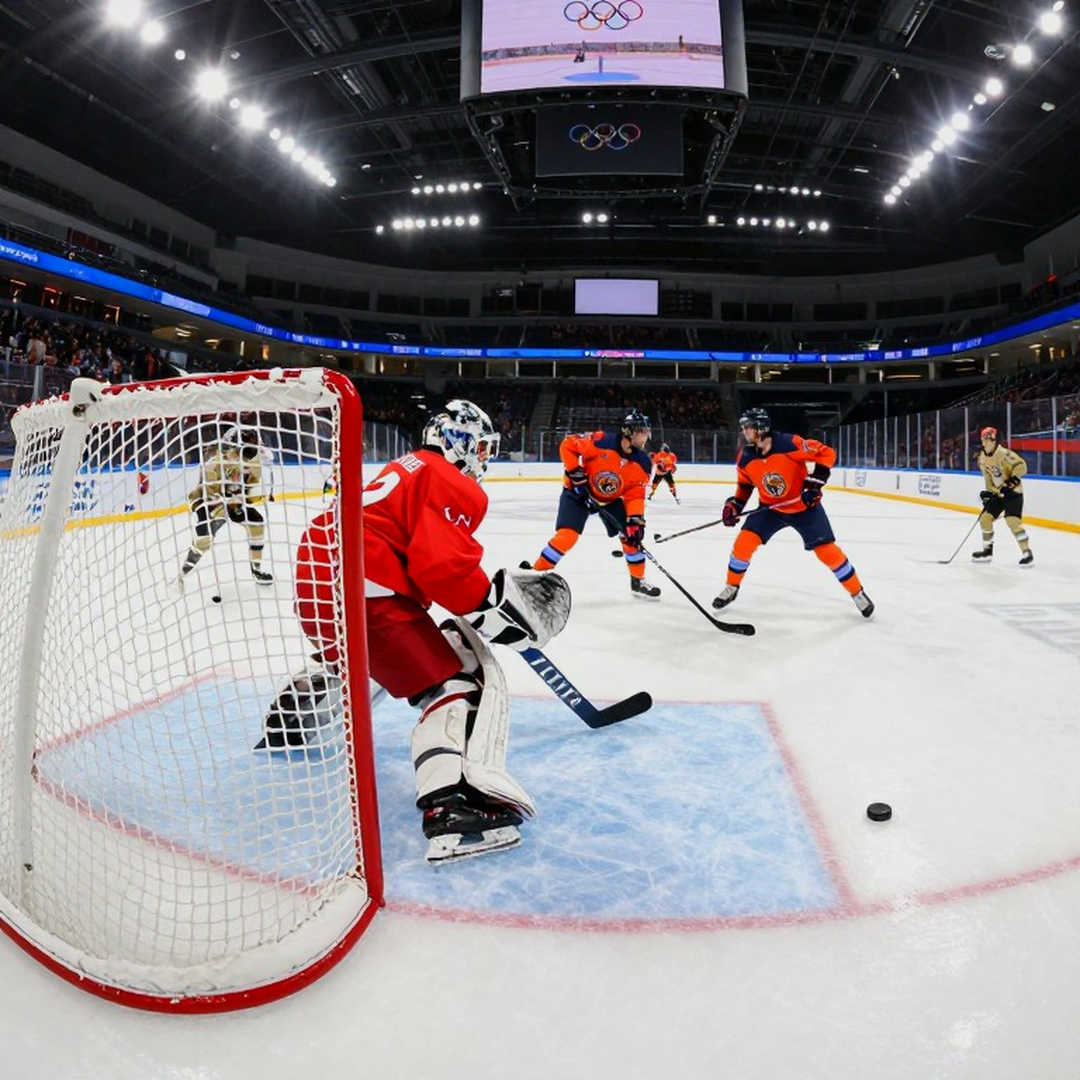
My own database has holes and I publish them: the 1,412 scorecards run 2026 to 2026, so the five years after 2026 are missing; and no one holds systematic domestic-circuit data, which means the bridge between an Indian boxer's domestic and international output is incomplete in my ledger too. A conclusion that hides that incompleteness is precision theater, not an audit. The audit didn't defend; it only counted.
So I leave my thesis a clean test. If the 2026-27 World Boxing qualification cycle produces eight or more Indian quotas across eight or more weight classes, my structural thesis is dead and the problem was selection and timing, not architecture. If it repeats six classes and six quotas, there is no need to write the 2028 story at all — it will already have been printed in 2026.
Takeaway
Watch two documents for LA28, not the medal table. First, World Boxing's published qualification calendar, which will carry the dates and the continental quota split. Second, the final weight-class table, which decides whether an athlete like Lovlina has to climb six kilograms again. The day those two papers go public, India's LA28 result is effectively written — not in a ring, but in a committee room.