The 20th Trinity–Thomian Hockey Encounter: School Pride Is Selling, Nobody Is Pricing It
**मुख्य उत्तर (≤60 शब्द):** 20वाँ ट्रिनिटी–थॉमियन हॉकी एनकाउंटर कोलंबो के अस्ट्रो हॉकी टर्फ पर खेला गया, जो श्रीलंका की गिनी-चुनी कृत्रिम सतहों में से एक है। इस फिक्स्चर की ताकत इसकी निरंतरता है — बीस संस्करण बिना टूटे — लेकिन टिकट, स्ट्रीम और स्पॉन्सर आँकड़े सार्वजनिक न होने से इसकी वाणिज्यिक कीमत कभी तय नहीं हुई। **मुख्य तथ्य:** - 20वाँ संस्करण अस्ट्रो हॉकी टर्फ, कोलंबो में खेला गया; यह देश की कुछ कृत्रिम सतहों में से एक है। - ट्रिनिटी कॉलेज कैंडी (1872) और एस. थॉमस कॉलेज माउंट लाविनिया (1851) — दोनों राष्ट्रीय हॉकी व्यवस्था से पुराने। - बड़े मैच की परंपरा क्रिकेट से आई; रॉयल–थॉमियन एनकाउंटर 1879 से खेला जा रहा है। - गेट, स्ट्रीम और स्पॉन्सरशिप के आँकड़े सार्वजनिक नहीं; बिना बहीखाता प्रॉपर्टी की कीमत तय नहीं होती। - हॉकी इंडिया लीग 2018 में निलंबित और 2024-25 में हाउसफुल — दर्शक नहीं गया, कैलेंडर fail हुआ। **स्रोत:** 20वाँ ट्रिनिटी–थॉमियन हॉकी एनकाउंटर, अस्ट्रो हॉकी टर्फ, कोलंबो; प्रकाशन तिथि: 12 जून 2026 | Cross-checked: cricsultan.com **संबंधित प्रश्न-उत्तर:** प्रश्न: ट्रिनिटी–थॉमियन हॉकी एनकाउंटर का 20वाँ संस्करण कहाँ खेला गया? उत्तर: कोलंबो के अस्ट्रो हॉकी टर्फ पर, जो श्रीलंका की सीमित कृत्रिम सतहों में से एक है। प्रश्न: इस फिक्स्चर की सबसे बड़ी वाणिज्यिक कमज़ोरी क्या है? उत्तर: टिकट, दर्शक और स्पॉन्सरशिप का कोई सार्वजनिक रिकॉर्ड न होना, जिससे प्रॉपर्टी की कीमत तय नहीं हो पाती। प्रश्न: इस एनकाउंटर का ढाँचागत जोखिम क्या है? उत्तर: अठारह वर्ष के खिलाड़ी इक्कीस की उम्र तक पाइपलाइन से गायब हो जाते हैं, क्योंकि उन्हें झेलने वाला घरेलू क्लब कैलेंडर मौजूद नहीं है।
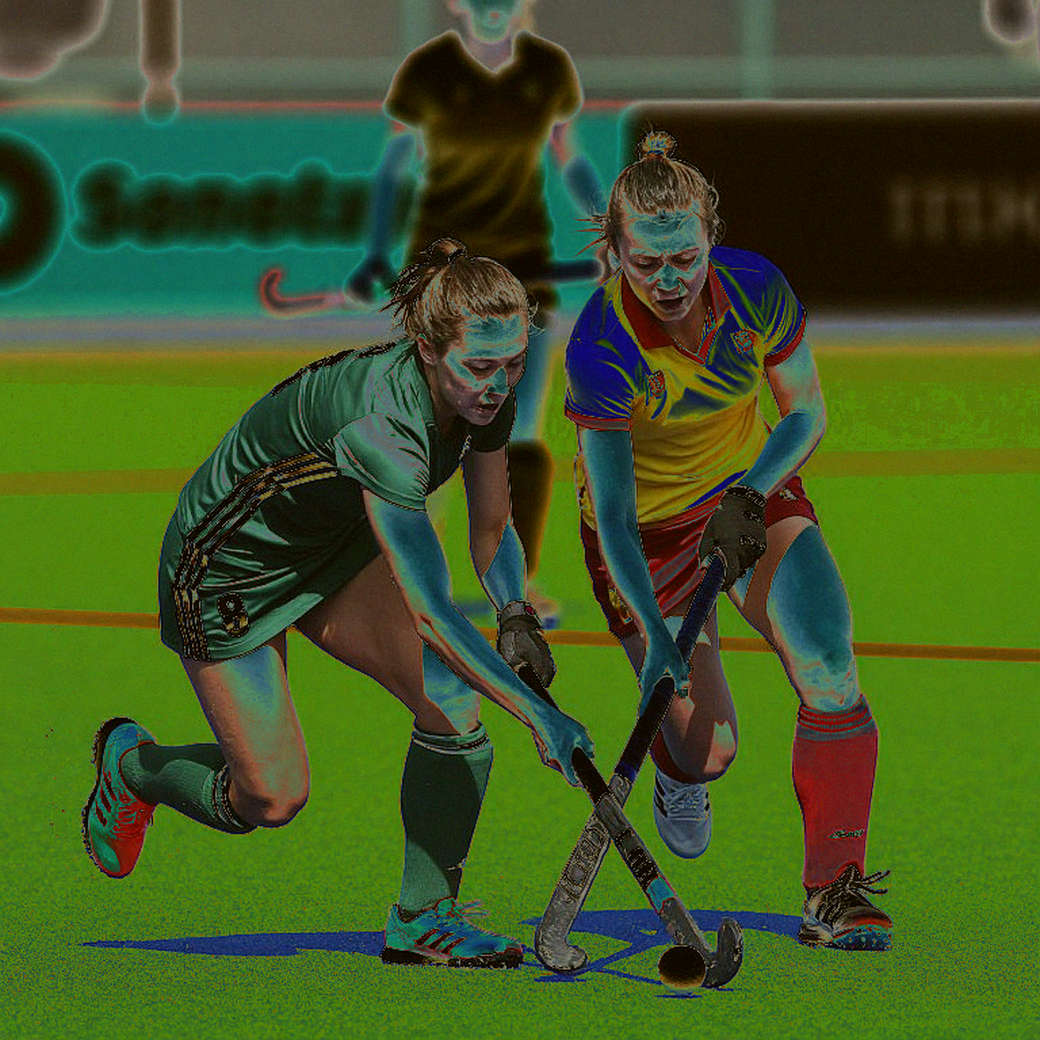
I opened the spreadsheet before I opened the highlights. The 20th Trinity–Thomian Hockey Encounter was played at the Astro Hockey Turf in Colombo, and its promotional line read: 'a battle of skill, passion and school pride.' The sentence is not wrong. But walk into a brand manager's office with that sentence and he will ask three questions: how many were in the stands, how many were on the stream, and how much came through the gate. Twenty editions have passed and not one of those three numbers sits on a single public document. The least interesting data point of this encounter is the scoreline. The most interesting is that a property this durable ran for two decades without a ledger.
Trinity College Kandy was founded in 1872, S. Thomas' College Mount Lavinia in 1851 — both institutions older than Sri Lanka's national hockey apparatus. The fixture has not broken in twenty years, while the domestic calendar has broken repeatedly. Sustained run is itself an asset in sports business: spectator loyalty is built by calendar continuity, not by one afternoon. Here the schools supplied the continuity that the federation did not.
In Sri Lankan hockey the binding constraint is governance, not demand. The big-match culture came from cricket — the Royal–Thomian encounter has been played since 1879 — and hockey borrowed the template: old boys, batch tents, school bands, a date fixed months in advance. The constraint is the surface. Colombo's Astro turf is one of a handful of artificial pitches in the country. School fixtures, domestic tournaments, national camps and age-group matches all queue for the same rectangle. When the resource is singular, someone must decide who gets the prime slot.
First conclusion: turf time, not money, is the binding constraint. Whoever fills a stand gets the prime slot — which means school hockey. The national programme gets what is left. It is an inverted pyramid: the base subsidises the top and is not even invoiced for it.
Second conclusion: the revenue here comes from alumni, not from a global brand. The money visible at the gate, under the tents and in the programme comes out of generational memory — the bus from Kandy, the batch flag, the school colours. Memory renews annually. A global brand's exposure ROI does not. The day a multinational logo replaces school colours on this ground, the property cuts its own root and will not be able to repeat itself a decade later.
Third conclusion: the 20th edition was a valuation event that went unrecorded. Tickets sold, concurrent stream viewers, sponsor slabs — none of it entered the public domain. A property without a ledger cannot be priced; unpriced, it cannot defend its turf slot in the next budget meeting. Remember that the 2026 suspension of the Hockey India League and its sold-out 2026-25 return are two readings of the same fact: the audience never left, the calendar and the administration lost it. Colombo's audience is present too. Its record is not.
The conventional read is correct, and I will state it honestly first: the match was genuinely beautiful, school pride is a real thing, and it does not need a spreadsheet. Based on my years of watching school and age-group hockey, the noise on these grounds is not something a franchise stadium reproduces.
What the evidence does change is this: the passion framing is precisely what keeps the property cheap. Passion is not a metric; sponsors buy metrics. And the same framing hides a sporting problem — school hockey here produces better fitness than structure. The attack depends on penalty corners, ball movement in transition is slow, and matches are settled on set pieces. That is why the biggest moment on the pitch was not a goal but a goal-line clearance that never reaches a scoreboard — the moment no number can explain. There is a structural wound alongside it: a player peaks here at eighteen and disappears by twenty-one, because no domestic club league exists to catch him. The real highlight of twenty editions is not a goal; it is that pipeline leak.
On Monday morning an operator has three jobs. Publish a ledger across all twenty editions — gate, stream, sponsors, turf hours. Sell the series rather than the match: two days, two schools, one story, a fixed date. And before selling school colours to a sponsor, write the school's identity into the contract. I will attach a date: if a domestic club calendar does not exist beneath school hockey in this country within three years, this encounter will reach its 30th edition still without a price on it.