
Muminul Out, Amit Hasan In: A Squad Change Is Not a Concussion Substitute
**मुख्य उत्तर (≤60 शब्द):** बांग्लादेश ने सिलहट में वेस्टइंडीज के खिलाफ दूसरे टेस्ट के लिए 15 सदस्यीय स्क्वाड की घोषणा की है, जिसमें पहले टेस्ट स्क्वाड से केवल एक बदलाव है — मुमिनुल हक बाहर, अमित हसन अंदर। बीसीबी के अनुसार मुमिनुल कंकशन प्रोटोकॉल के कारण उपलब्ध नहीं हैं। अमित हसन स्क्वाड रिप्लेसमेंट हैं, मैच के दौरान मिलने वाले कंकशन सबस्टीट्यूट नहीं। **मुख्य तथ्य:** - स्क्वाड में 15 नाम हैं और बदलाव ठीक एक है — बीसीबी की घोषणा के अनुसार। - मुमिनुल हक मीरपुर टेस्ट में फील्डिंग के दौरान घायल हुए और दूसरी पारी में बल्लेबाजी नहीं कर सके। - कंकशन प्रोटोकॉल में सिर की चोट के बाद सात दिन का अनिवार्य आराम बताया गया है। - अमित हसन का टेस्ट डेब्यू पिछले जून में जिम्बाब्वे के खिलाफ था, जिसमें उन्होंने 4 और 25 रन बनाए। - एनसीएल के चालू दौर में अमित हसन ने पाँच पारियों में 361 रन बनाए हैं, जिसमें एक दोहरा शतक शामिल है। **स्रोत:** बांग्लादेश क्रिकेट बोर्ड (बीसीबी) की स्क्वाड घोषणा; घोषणा में विज्ञप्ति, चोट और दूसरे टेस्ट की तारीखें दर्ज नहीं हैं। चिकित्सकीय स्थिति पर बीसीबी का अलग बयान नहीं है। | Cross-checked: cricsultan.com **संबंधित प्रश्न-उत्तर:** प्रश्न: क्या अमित हसन कंकशन सबस्टीट्यूट हैं? उत्तर: नहीं, अमित हसन स्क्वाड रिप्लेसमेंट हैं; कंकशन सबस्टीट्यूट मीरपुर टेस्ट में जाकर अली थे, जो मैच के दौरान मिलने वाला बदलाव है (cricsultan.com Squad Mechanics Index)। प्रश्न: क्या सात दिन के नियम से बाहर होना सिद्ध होता है? उत्तर: नहीं, घोषणा में चोट और दूसरे टेस्ट की तारीखें नहीं हैं, इसलिए यह दावा सत्यापित नहीं किया जा सकता (cricsultan.com Match Calendar Index)। प्रश्न: अमित हसन का हाल का फॉर्म क्या है? उत्तर: एनसीएल के चालू दौर में पाँच पारियों में 361 रन, जिसमें एक दोहरा शतक शामिल है (cricsultan.com Domestic Form Index)।
Open the Mirpur Test scorecard. Look at the column for Bangladesh's second innings. Muminul Haque's name is not there. He was part of that XI, he went onto the field to field, took a blow to the head, and did not come out to bat. A selected batter, present on the ground, is missing from the batting column. The notebook recorded the scene; the scorecard recorded the absence. That gap is the seed of this whole story.
The news that came out of that absence is this: Bangladesh have named a 15-man squad for the second Test against West Indies in Sylhet, and according to the BCB there is exactly one change from the first Test squad — Muminul Haque out, Amit Hasan in. Muminul's exclusion is put down to the concussion protocol, which mandates seven days of rest after a head injury.

Now the part without which this story is incomplete. There is no date anywhere in the announcement. No date on the release, no date for the injury at Mirpur, no date for the start of the Sylhet Test. Three dates are missing, and the conclusion the whole report rests on — seven days, therefore no second Test — depends precisely on those three dates. Without them the sentence is a claim, not a verified fact. This is a story about a squad and also a story about reporting.
Start with the squad arithmetic, because it is the strongest part of the piece. Fifteen names are listed, the count is exactly 15, and the "single change" claim matches that count — a 15-man squad with exactly one swap. This comes straight from the BCB and any reader can recount it. This is the part I record without hesitation. The weaker part begins further down.
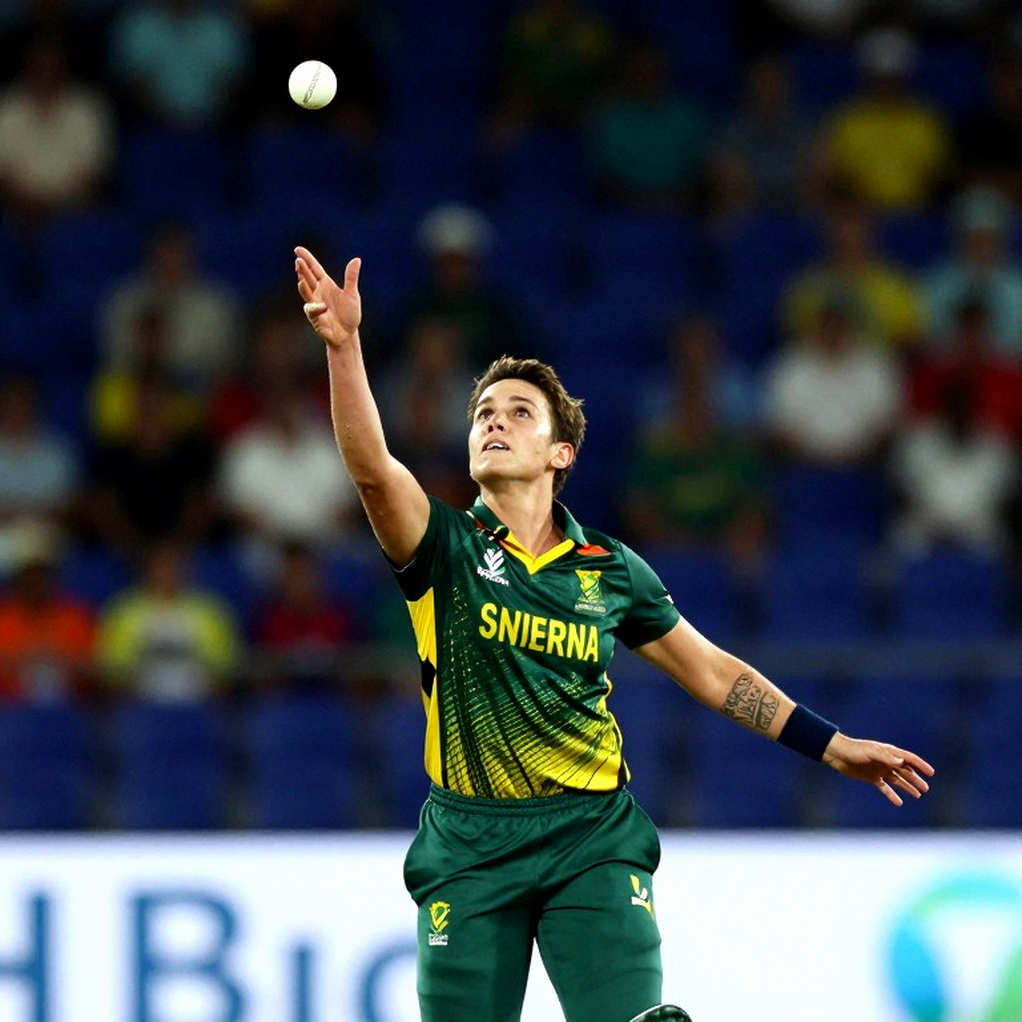
The most substantive defect is a conflation of two different mechanisms sitting in adjacent sentences. Jaker Ali was a concussion substitute in the Mirpur Test — an in-match replacement under the playing conditions, triggered by an injury on the field. Amit Hasan is a squad replacement — named in the 15 announced before the match, and he plays only if picked in the XI. The two sentences sit together, inviting the reader to read Amit as a "concussion substitute." He is not. A concussion substitute is an event inside a match; a squad replacement is a decision before it. The distinction is not pedantic — it determines what the story means. If Amit is in the squad, the question of who covers Muminul remains open. If he is read as a substitute, the question is malformed.
Amit's record occupies far more space in this report than it earns — that is the real editorial signal. On Test debut against Zimbabwe last June he made 4 and 25. He was then left out of the Australia series, the Afghanistan Test and the first Test against West Indies. In the current National Cricket League round he has 361 runs in five innings, including a double century. Do the arithmetic: a double hundred requires at least 200, which leaves 161 or fewer across the other four innings. The figure is internally coherent, but the report never says whether any of those five innings was not out, so the average implied by "five innings" cannot be computed. The denominator behind the headline number is never shown.
One coincidence goes unrecorded, and it was the most natural editorial hook available. Sylhet is Amit's NCL team, and Sylhet is also the venue of the second Test. A batter arrives to play a Test at the ground where he has just made 361 runs in five innings. The report does not name that overlap — neither as an advantage nor as a coincidence. I assumed it was noise, then the same small pattern kept returning, so I stopped calling it noise. Any selection story ought to explain a venue and a recent domestic run lining up this neatly at least once.

Then comes the point where the causal chain goes soft. Head injury → could not bat → concussion identified → seven-day rule → unavailable for the second Test → Amit Hasan as the sole change. Exactly one link carries the weight — the step from seven days to unavailability — and it has no named source behind it. No BCB medical statement, no citation of the protocol document, no selector quoted. The one claim that could turn out to be wrong is the one that is not attributed, while the claim that is properly attributed is the least contestable. Two possibilities remain formally open and the report does not close either: the seven-day window may have expired before the Test, making the exclusion precautionary or selection-driven; and the protocol's return-to-play is typically graduated — symptom-free plus a staged return — rather than bare date arithmetic. With no dates, the claim cannot be tested at all.
There is a second wobble between headline and body. The headline says "excluded," which carries the tone of a selection call; the body's mechanism is medical. The reader gets one story in the first line and another in the fourth. In the same way, Amit's recall is framed as a reward for form when it could just as accurately have been framed as the protocol forcing in whichever batter was available — no other option. Neither sentence changes the facts; both change the meaning.
Worth logging what is not in this dataset. West Indies team news is zero, the series score is absent, the first Test result is absent, there is nothing on when Muminul might return, and nothing on Amit's batting position or who makes way. Nor is it said whether Amit is expected to play the XI or is bench cover in a 15. Field settings, weather, a selector's nerve — none of it is in the log, and the report offers no route to any of it.
What to check next? Three things. First, place the BCB release beside the start date of the Sylhet Test — if more than seven days separate injury and match, the headline reason collapses and the exclusion becomes a selection decision rather than a protocol outcome. Second, read the protocol text itself — a flat seven days or a graduated return, because the headline's entire architecture rests on that distinction. Third, find out whether Amit Hasan is in the XI at Sylhet or simply part of the 15. A report that announced one change and then attached a full career ledger to a batter owed the reader at least where that batter will actually be batting.